
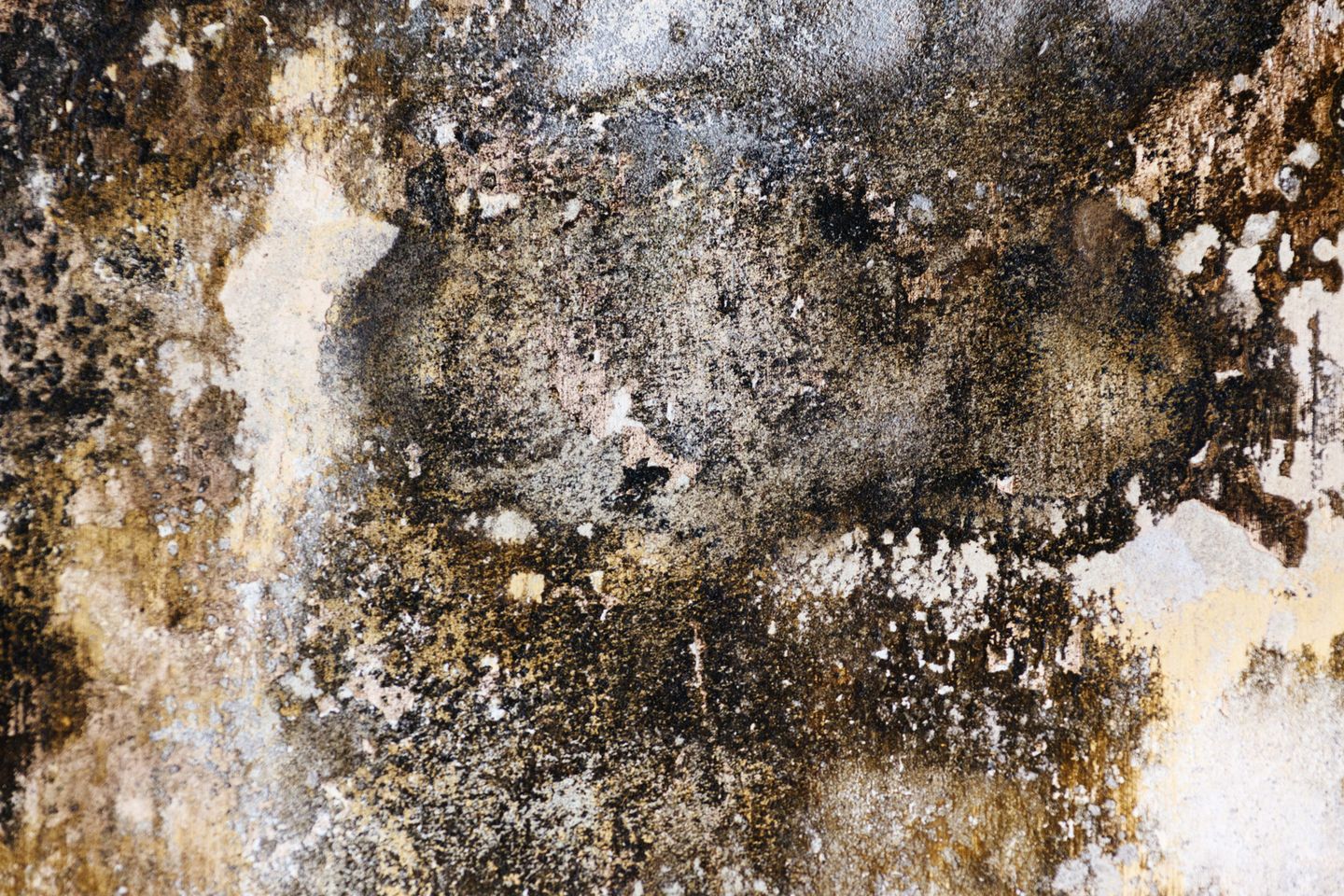
Start with the water history
Record when you first noticed discoloration, odor or dampness and whether there was a leak, overflow or condensation. A photograph cannot establish the type of mold, the full extent of concealed damage or a health diagnosis. Avoid disturbing suspect material just to see what is behind it. Give the business your address, affected rooms and water history so it can confirm the appropriate next step.
Separate assessment from removal
Ask who evaluates the moisture source and extent of affected material, who specifies the work and who performs removal. Florida regulates mold-related services through DBPR. Check the relevant individual and business credentials in the official portal rather than relying on a badge on a website. If assessment or clearance is proposed, ask about the relationship between the assessor and remediator and how the scope will be documented.
Compare the written work boundaries
A useful proposal describes affected rooms, materials, containment approach, protection of unaffected spaces and waste handling. It should distinguish cleaning retained surfaces from removal of damaged porous material and later rebuilding. Ask what will be opened, how changes are approved and which conditions might require a revised scope. Air movement and equipment should follow the chosen work plan rather than simply pushing odor to another room.
Know what completion means
Ask which observations or checks establish that the planned work is complete, how drying is documented and who assesses any remaining moisture issue. Cosmetic repainting alone does not explain why material became damp. Keep photographs, reports and the written scope together. Timing and price depend on extent, access, material condition and the business; this website cannot promise a response time or a result.
Keep material work and source repairs visible
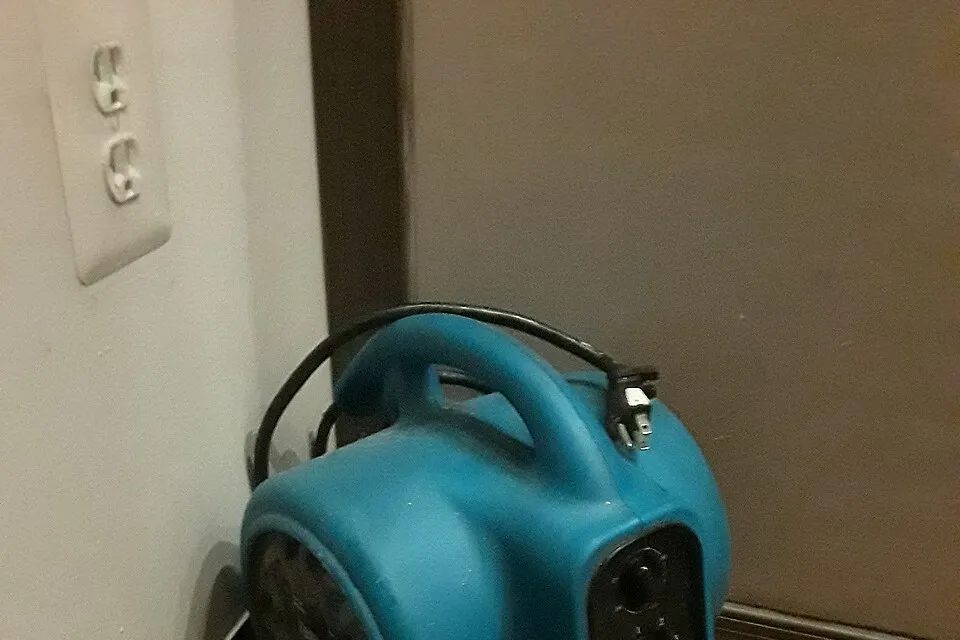
A drying-equipment photograph illustrates one possible moisture-control step. Ask what measurements, source repairs and retained-material decisions accompany equipment use; equipment alone does not establish completion.
Ask before arranging work
- Who evaluates the moisture source and who performs the agreed work?
- Which materials and rooms are included or excluded?
- What visit or assessment charges apply?
- Which completion records will I receive?
Three questions for a complete plan
Why did it become damp?
Record the leak, water intrusion or condensation history. The moisture source needs its own answer.
Which materials need work?
Ask how the affected extent, retained surfaces and removal scope will be defined.
What proves the agreed work is complete?
Clarify the records, checks and responsibilities before rebuilding.
Prepare the call
Use the first-steps guide for safe observations and estimate comparison for written scope questions.
Official resources
Resources provide general preparation and official contacts. They do not establish provider coverage or endorsement.