
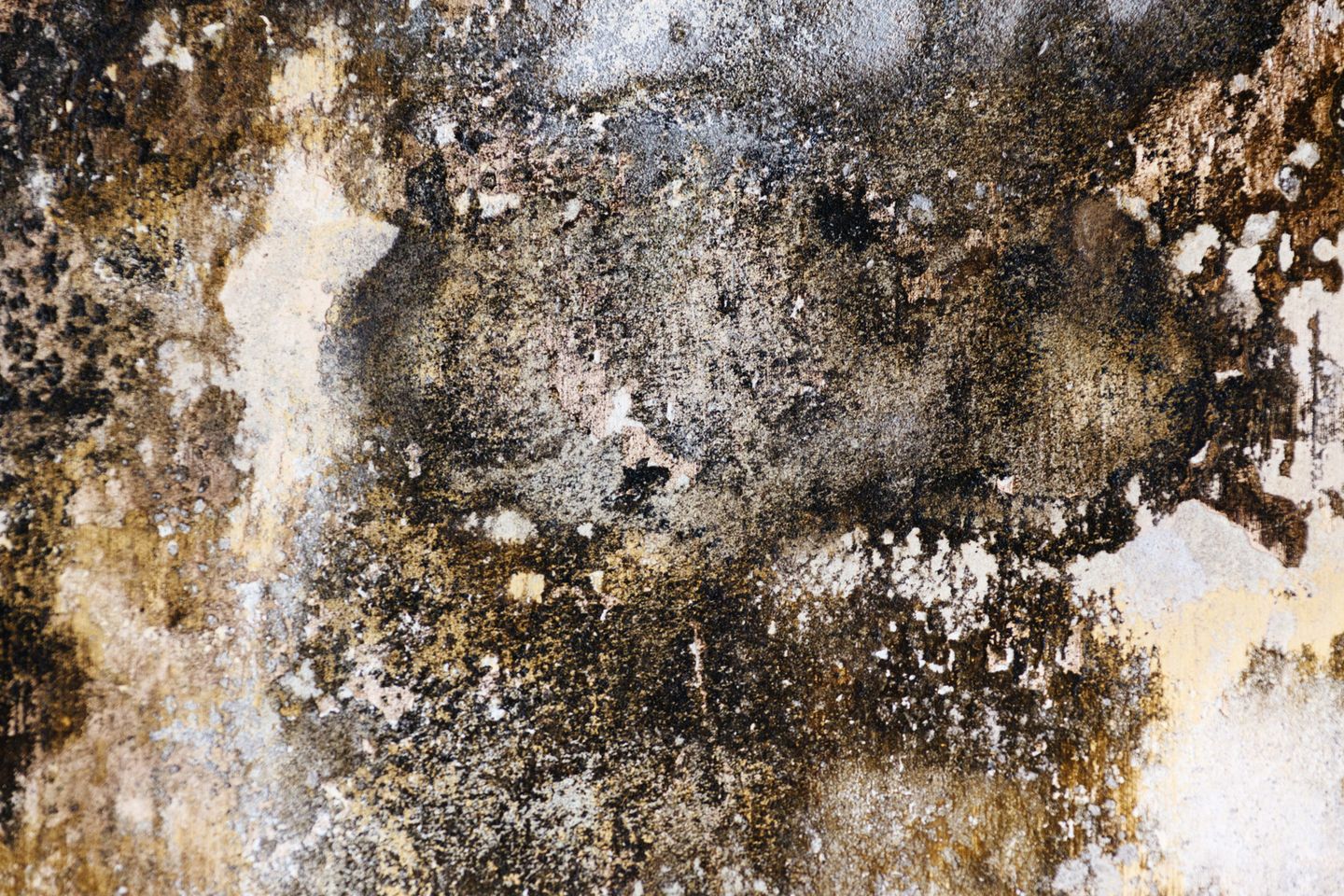
Describe the pattern instead of guessing
Note whether discoloration appears near the shower, ceiling, window, cabinet or a shared wall. Explain whether it returns after cleaning and whether dampness follows bathing or persists when fixtures are idle. A recurring surface mark may have a different moisture history from damage inside a wall. Do not use color to identify mold type or assume a musty smell identifies the source.
Look beyond a fresh coat of paint
Ask how the assessment distinguishes room humidity, fixture leaks and water entering from an adjacent space. Surface treatment does not repair a leaking connection or establish the condition behind damaged drywall. Clarify which retained materials can be cleaned and which require removal, and what separate repair or ventilation work may be needed.
Protect nearby spaces during work
Discuss how occupants, towels, stored items and adjacent rooms are handled while the work is underway. Ask what access is needed and whether the bathroom can be used. Containment, material removal and cleaning should fit the assessed scope; the site cannot decide the correct method from a few symptoms.
Plan for recurrence prevention
EPA guidance emphasizes controlling moisture alongside mold cleanup. Discuss the source, practical humidity observations and equipment issues with the relevant professional. Ask for a written explanation of any ventilation or fixture problem left outside the removal contract so it can be addressed rather than hidden by finish work.
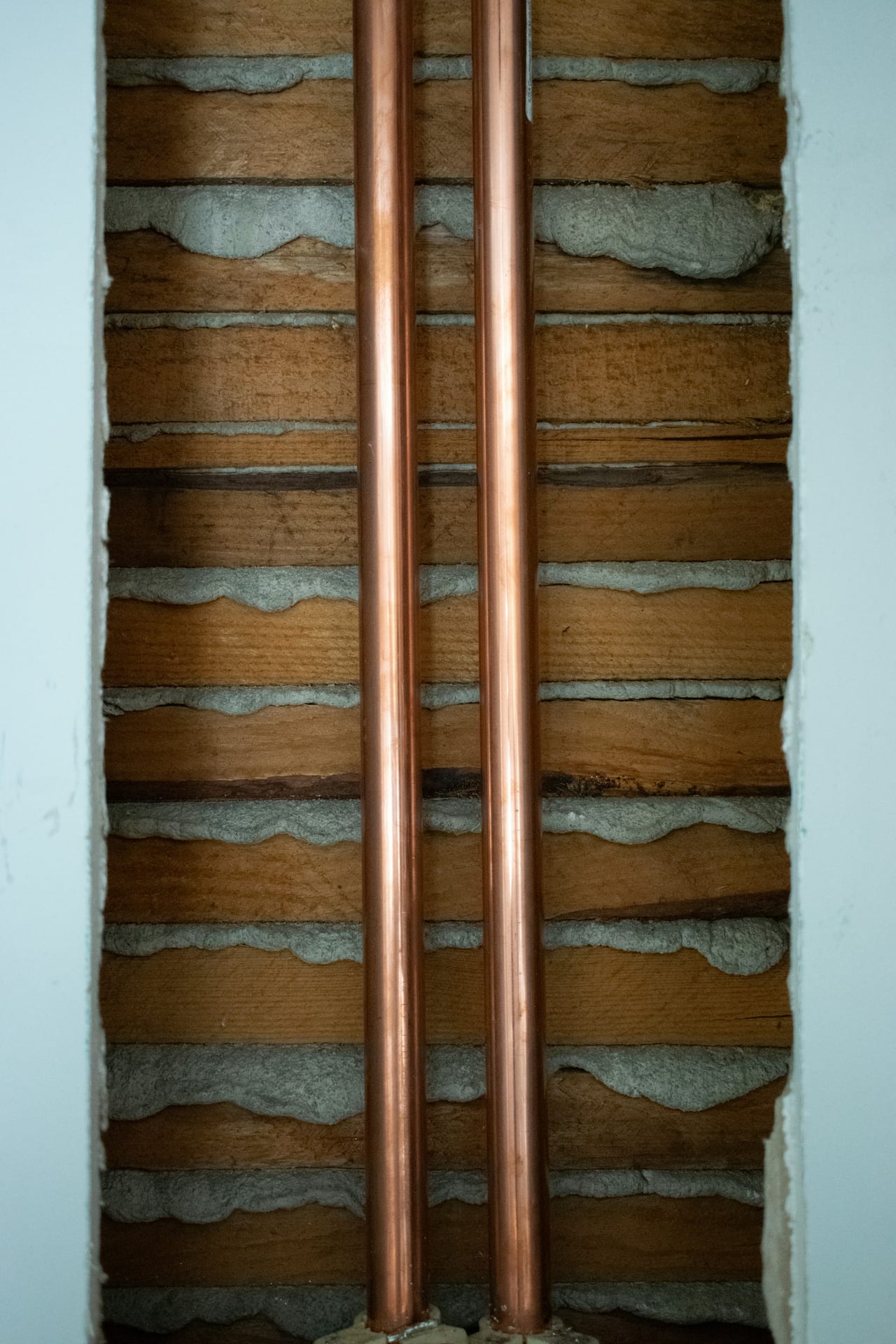
Keep material work and source repairs visible
This illustrative opened wall shows why access and plumbing-source repairs need their own written boundary; it is not a photograph of a local job.
Ask before arranging work
- Who evaluates the moisture source and who performs the agreed work?
- Which materials and rooms are included or excluded?
- What visit or assessment charges apply?
- Which completion records will I receive?
Three questions for a complete plan
Why did it become damp?
Record the leak, water intrusion or condensation history. The moisture source needs its own answer.
Which materials need work?
Ask how the affected extent, retained surfaces and removal scope will be defined.
What proves the agreed work is complete?
Clarify the records, checks and responsibilities before rebuilding.
Prepare the call
Use the first-steps guide for safe observations and estimate comparison for written scope questions.
Official resources
Resources provide general preparation and official contacts. They do not establish provider coverage or endorsement.