
Reviewed October 11, 2026 · General homeowner guidance
Start with safe observations
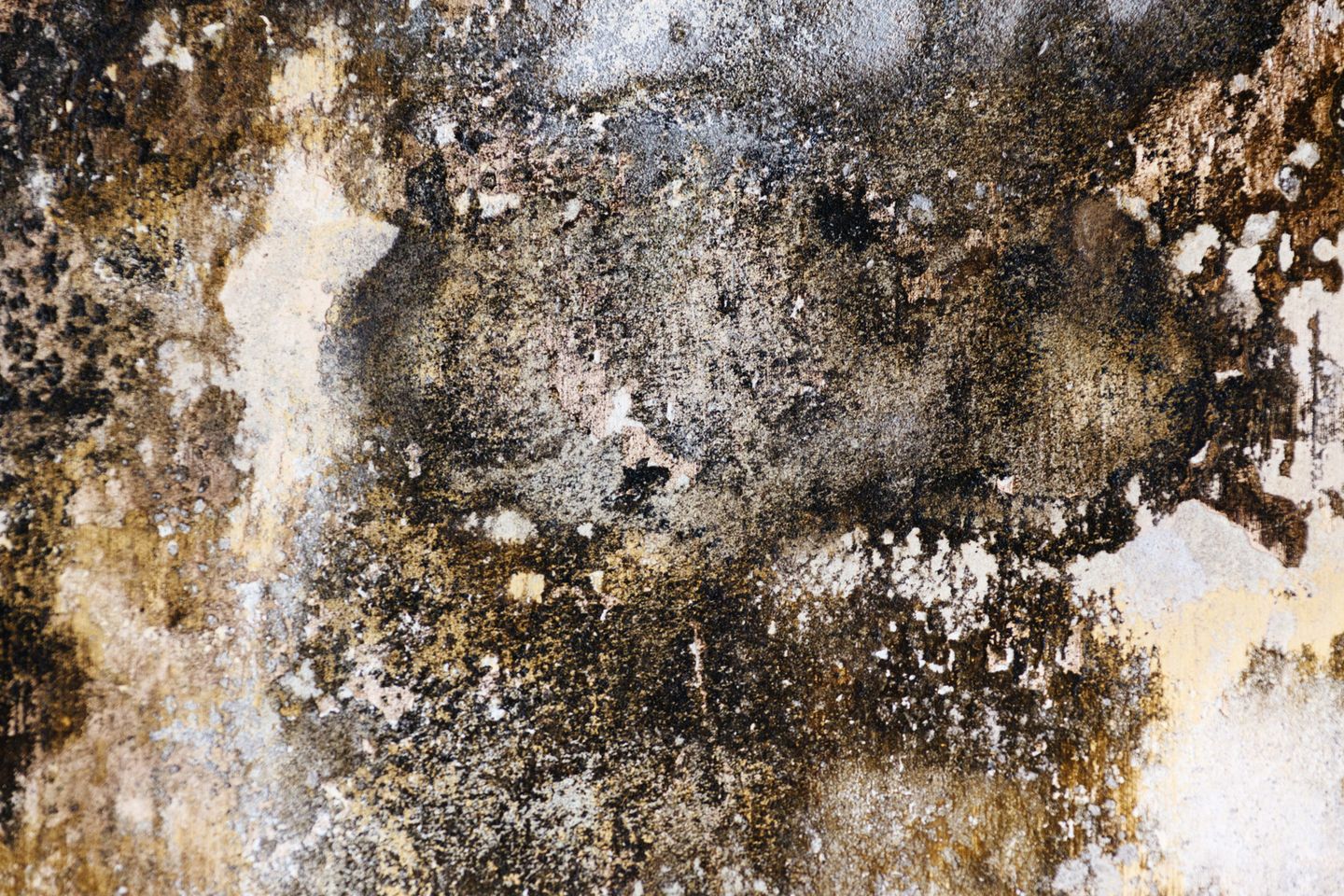
Stay out of hazardous rooms and avoid disturbing suspect material to investigate. Record what you can see from a safe location: affected rooms, approximate visible extent, odors and the date first noticed. The purpose is to explain the situation, not to identify a species or diagnose a health condition. If someone has health concerns, contact an appropriate health professional rather than relying on an online tool.
Describe the moisture history
Note a recent leak, overflow, roof issue or condensation pattern. Explain whether the source is still active and whether repairs or drying have been documented. If you do not know the source, say so. A moisture history helps frame assessment questions, while a photograph alone cannot establish the full scope behind finishes.
Keep work and records separate
Gather prior reports, repair receipts and safe photographs. List what was removed, cleaned or repainted. For rented or managed property, identify the person authorized to approve access and work. This preparation does not authorize you to open walls or handle contaminated material. Ask the business which information is useful before a visit.
Use a cautious next step
EPA guidance connects mold cleanup with moisture control. Extensive damage, uncertain contamination or concerns involving the HVAC system merit appropriate professional guidance. Avoid spreading contamination by improvised air movement. This site offers general preparation, not a cleaning prescription, and cannot determine a safe method for the property.
Ask what the assessment includes
Before arranging a visit, confirm address availability, the business’s service fit and any charge. Ask who assesses the moisture source, which credentials apply and whether the work proposal comes separately. Clarify how findings will be recorded and what decisions need your permission.
Prepare a concise call summary
A useful summary includes your address, affected rooms, water history, current access restrictions and existing reports. Use the browser-only preparation tool below to organize those facts. It does not submit answers, estimate risk or determine that a room is safe. The business must evaluate the actual circumstances.
From observation to a useful call
Observe safely
Room, date, visible condition
Describe history
Leak, condensation or unknown source
Ask next
Assessment fit, charge and credentials
Build your call-preparation summary
This tool organizes facts; it does not diagnose mold, determine safety or estimate cost. Answers remain in this browser and are neither stored nor sent.
Related next steps
Explore the relevant service scope ↗ · Miami address preparation ↗
Compare mold-removal estimates without missing the scope
Organize assessment, containment, material handling and rebuilding before comparing totals.
Explore the guide ↗Assessment, remediation and completion: three different questions
Understand what each stage should answer before choosing the work.
Explore the guide ↗Official resources
Resources provide general preparation and official contacts. They do not establish provider coverage or endorsement.